


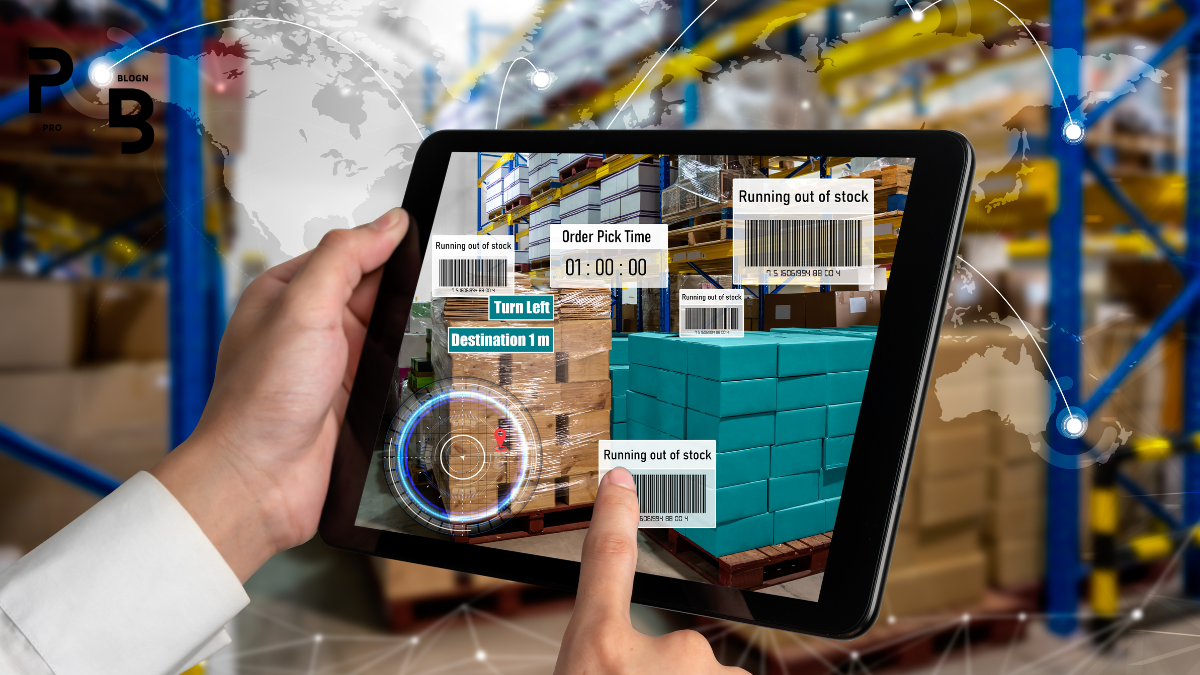
The Power of Augmented Reality: Revolutionizing How We Interact With the World
Augmented Reality (AR) is a technology that overlays digital content in the real world, creating a blended environment that enhances the user’s perception of reality. AR has already had a profound impact on many industries, including entertainment, education, and healthcare. As AR continues to evolve, its potential for transforming the way we interact with the world is becoming increasingly apparent. In this article, we will explore the power of AR, its current applications, and the possibilities for the future.
What is Augmented Reality?
Augmented Reality (AR) is a technology that superimposes digital content onto the real world, creating a mixed reality environment. Unlike Virtual Reality (VR), which creates an entirely immersive experience, AR enhances the user’s perception of reality by adding digital elements to it. AR can be experienced through a variety of devices, including smartphones, tablets, and AR glasses.
Current Applications of AR
AR has already had a significant impact on many industries, including entertainment, education, and healthcare. Let’s explore some of the current applications of AR.
Entertainment
AR has already transformed the entertainment industry, offering new ways to engage audiences and create immersive experiences. The popular mobile game, Pokemon Go, is an excellent example of the power of AR in entertainment. The game allows players to use their smartphones to find and capture virtual Pokemon characters that appear in the real world.
Education
AR is also transforming the way we learn, making education more engaging and interactive. AR can be used to create 3D models of objects, making it easier for students to understand complex concepts. AR can also be used to create interactive textbooks that allow students to explore concepts in a more hands-on way.
Healthcare
AR is also being used in healthcare to improve patient outcomes and increase efficiency. AR can be used to create virtual simulations of surgical procedures, allowing surgeons to practice and prepare for complex surgeries. AR can also be used to create virtual environments for patients, helping to reduce anxiety and pain.
Possibilities for the Future
The possibilities for the future of AR are almost limitless, and we are only just scratching the surface of what this technology can do. Let’s explore some of the potential applications of AR.
Retail
One of the most promising areas for the future of AR is retail. AR can be used to create virtual shopping experiences that allow customers to see how products will look in their homes before they buy them. AR can also be used to create virtual changing rooms, allowing customers to try on clothes without ever leaving their homes.
Architecture and Design
AR is also poised to revolutionize the architecture and design industries. AR can be used to create virtual models of buildings, allowing architects and designers to visualize and refine their designs in real time. AR can also be used to create virtual tours of buildings, allowing clients to experience a building before it is even constructed.
Travel and Tourism
AR can also be used to enhance the travel and tourism industry. AR can be used to create virtual tours of historical landmarks and museums, allowing visitors to learn about the history and significance of these sites in a more immersive way. AR can also be used to create virtual tour guides, helping visitors navigate unfamiliar cities and countries.
Suggested Read: Understanding 5G Technology: The Future of Wireless Connectivity (problogn.com)
Conclusion
Augmented Reality is a technology that is transforming the way we interact with the world. AR has already had a significant impact on many industries, including entertainment, education, and healthcare. As AR continues to evolve, the possibilities for its future applications are almost limitless. From retail to architecture, travel to education, AR has the power to enhance our understanding of the world and make our lives more engaging and interactive. As we move forward, it is exciting to think about the possibilities for the future of AR and how it will continue to change the way we experience the world around us. With the continued development and integration of AR technology, we are likely to see more widespread adoption and use of AR in a variety of settings and industries.
In addition to the applications already discussed, AR also has the potential to transform the way we communicate and collaborate. With the use of AR-enabled devices, individuals could communicate with each other in a virtual environment that allows for the sharing of information and resources in real time.
Furthermore, AR can also be used to improve safety in a variety of industries, including manufacturing and construction. By using AR-enabled devices, workers could visualize potential safety hazards and receive real-time information and instructions to prevent accidents and injuries.
However, the development and adoption of AR technology are not without their challenges. One major issue is the cost and availability of AR-enabled devices. While smartphones and tablets have made AR more accessible, more advanced AR devices such as AR glasses can be expensive and may not yet be readily available to the general public.
Another challenge is the need for accurate and up-to-date mapping data to ensure the accuracy of AR overlays. This requires significant investment in infrastructure and data collection, which can be a barrier to the development and adoption of AR technology.
Despite these challenges, the potential benefits of AR are significant and are likely to drive continued investment and development in the technology. As AR continues to evolve, it is important that we consider the ethical and social implications of its use. For example, the use of AR in advertising and marketing raises questions about privacy and consent, and the impact of AR on social interaction and the perception of reality requires further study.
In conclusion, augmented reality is a technology that is transforming the way we interact with the world. Its current applications in entertainment, education, and healthcare are already making a significant impact, and its potential for the future is almost limitless. As technology continues to evolve, it is important that we consider its ethical and social implications and work to address the challenges that may limit its adoption and use. Ultimately, the power of AR lies in its ability to enhance our understanding of the world and make our lives more engaging and interactive.
The post The Power of Augmented Reality: Revolutionizing How We Interact With the World appeared first on Pro Blogn.
This content was originally published here.

